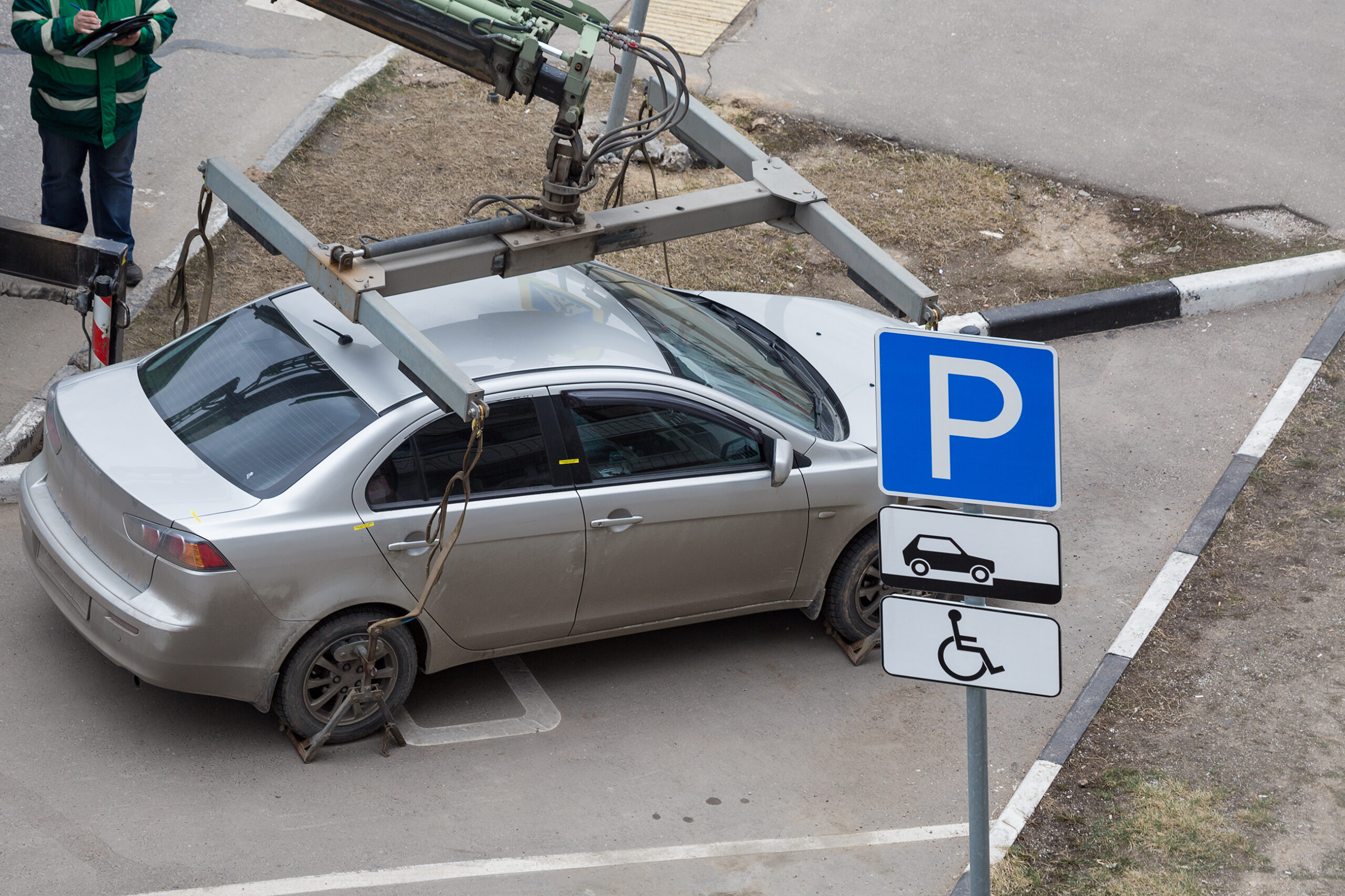
Handicapped parking spaces are crucial for individuals with disabilities, providing necessary accessibility and convenience. When someone without proper authorization occupies these spots, it inconveniences and potentially endangers those who genuinely need them. Reporting these violations ensures that handicap parking spots remain available for those who need them most. It’s a small act of civic responsibility that contributes to a more inclusive and considerate community.
If you notice a vehicle parked in a handicap spot without the proper permit, it’s important to take action. Here’s a step-by-step guide on how to report illegal handicap parking:
Taking action against those who misuse handicap parking spaces is essential for protecting the rights of individuals with disabilities. By reporting these violations, you help enforce laws designed to maintain accessibility. Not only does this discourage future abuse, but it also reinforces the importance of respecting designated handicap parking areas. Community vigilance is a powerful tool in upholding these standards.
Parking in a handicap spot without the proper authorization is not a minor offense. The consequences can be severe, reflecting the importance of these spaces. Penalties can include hefty fines, towing of the vehicle, and, in some jurisdictions, community service or mandatory education on disability rights. These consequences deter potential violators and emphasize the critical need for these parking spots to remain available for those with disabilities.
Fines for illegally parking in a handicap spot vary by location but are generally substantial. In many areas, the fine can range from $100 to $500 or more for a first offense. Repeat offenders may face higher fines and additional penalties. These fines underscore the seriousness of the violation and the importance of preserving accessibility for disabled individuals.
Several resources are available to help you report handicap parking violations:
Law enforcement plays a crucial role in enforcing handicap parking regulations. Police officers and parking enforcement personnel are responsible for monitoring parking areas, issuing tickets for violations, and ensuring that handicap parking laws are upheld. Their efforts are essential in maintaining accessibility for disabled individuals and upholding the legal protections afforded to them.
Public awareness is key to ensuring compliance with handicap parking regulations. Educational campaigns, community outreach, and visible signage can help inform the public about the importance of these parking spaces and the consequences of violating them. Encouraging respect and understanding for handicap parking rights and responsibilities fosters a more inclusive and accessible environment for everyone.
Protecting handicap parking spaces is a collective responsibility. By understanding the importance of these spots, knowing how to report violations, and being aware of the consequences of illegal parking, we can all contribute to a more accessible and respectful community. Let’s work together to ensure that handicap parking abuse is addressed promptly and effectively, safeguarding the rights and needs of individuals with disabilities.
The process of obtaining a handicapped parking permit usually begins with consulting with your primary healthcare provider. They can guide you on the specific requirements and determine if your condition qualifies for a permit. Your healthcare provider will also be responsible for submitting a letter or completing the necessary forms to verify your illness or disability. So, it’s essential to ensure their support in advance. Handicappedparking.com can ensure this part of the process is handled for you; you only need to complete a questionnaire and meet over the phone with a doctor.
After consulting with your healthcare provider, you will need to visit your state’s Department of Motor Vehicles (DMV). Depending on your state, you can apply for the permit online or schedule an appointment with DMV staff. In either case, you must complete paperwork outlining your situation and provide official medical documentation as supporting evidence.
It is important to note that the fees associated with obtaining a handicapped parking permit can vary across states. While some states may offer placards free of charge, others may require a nominal fee (the most we’ve seen is $38; most often, these fees are $25).
Taking these steps – consulting with your healthcare provider, understanding the process through your state’s DMV website, and being prepared with the required paperwork and medical documentation – will aid you in obtaining a handicap parking permit.
So what are you waiting for? We’ll complete the entire process for you; all we need from you is a bit of information and some time.
