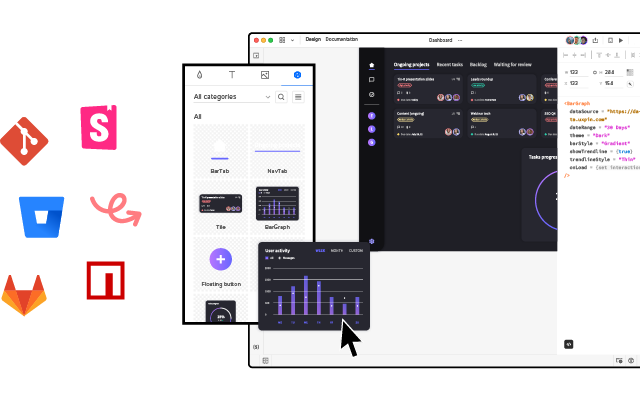
UX designers must collaborate effectively with various teams, departments, and stakeholders to align design with business goals, streamline processes, and create better products that meet user needs and expectations.
When UX designers become effective communicators and collaborators, they enhance their networking skills and contribute to creating exceptional user experiences–emphasizing the importance of UX within an organization.
Streamline and enhance cross-functional collaboration during the design phase of product development process. Create advanced prototypes with built-in interactivity, share them with your team, and execute design handoff without switching between tools. Visit our Merge page to learn more about this technology.
Reach a new level of prototyping
Design with interactive components coming from your team’s design system.
As product development becomes increasingly complex, UX designers must work closely with various teams within an organization to ensure a seamless, user-centric experience. Effective collaboration helps align the design with business goals, streamline processes, and create successful products that meet user needs and expectations.
Goals and benefits of effective collaboration within an organization:

Here are four typical UX team structures and how they impact cross-functional collaboration for designers:
To achieve optimal results and foster innovation, UX designers must collaborate with various organizational stakeholders. Understanding each role’s contribution to the product development process is essential for effective collaboration.
Key collaborators for UX designers include:
DesignOps (Design Operations) is a strategic approach to streamlining organizational design processes and workflows. It optimizes resources, tools, and communication among design teams, stakeholders, and other departments. By implementing DesignOps, organizations can foster a collaborative environment that supports creativity, innovation, and efficiency, ensuring that design teams can deliver high-quality, user-centric products.
DesignOps plays a crucial role in promoting communication and teamwork by establishing clear channels for collaboration, setting expectations, and defining roles and responsibilities.
DesignOps aims to standardize processes, provide tools for effective collaboration, and align design goals with business objectives, bridging the gap between designers, developers, and stakeholders. This alignment enables cross-functional teams to work together seamlessly, leading to better decision-making, improved product quality, and increased innovation.
To implement DesignOps effectively, organizations must first assess their current design processes, identify inefficiencies, and establish clear goals for collaboration.
Next, develop a plan that outlines the necessary tools, processes, and communication channels to support effective collaboration. This plan may include regular cross-functional meetings, design reviews, or workshops to foster teamwork and alignment.
Organizations should monitor the success of DesignOps implementation by tracking key performance indicators (KPIs), such as project timelines, product quality, and employee satisfaction. By continuously refining and adjusting the DesignOps approach, organizations can create a collaborative culture that drives product success.
Design systems streamline cross-functional collaboration by providing a centralized, comprehensive, consistent set of guidelines, components, and patterns. A shared design language enables designers, developers, and other team members to work cohesively and efficiently, eliminating miscommunication and reducing the need for repetitive tasks.
Design systems promote a consistent user experience across products and platforms and foster a unified brand identity. By leveraging a design system, teams can focus on brainstorming, innovation, and problem-solving, resulting in better outcomes and user experiences.
It’s essential to involve cross-functional teams when building a design system. This collaborative approach ensures that the design system meets the needs of all stakeholders and aligns with business objectives.
Start by documenting existing design components, patterns, and guidelines, then refine them through an iterative process, seeking input from designers, developers, and other team members.
Once you implement a design system, it’s crucial to keep it up-to-date and relevant by continually evaluating its effectiveness, incorporating feedback, and adapting to the organization’s evolving needs. By prioritizing maintenance and regular updates, the design system will remain a valuable asset that supports cross-functional collaboration and drives product success.
During the research and discovery phase, UX designers must collaborate closely with stakeholders and subject matter experts to gather critical information about the project.
This collaboration provides valuable insights into user needs, business requirements, and industry trends. Additionally, engaging with users and other teams helps designers identify pain points, opportunities for improvement, and potential solutions. By fostering open communication and actively seeking diverse perspectives, designers can build a solid foundation for informed decision-making throughout the design process.
Effective collaboration between UX designers, developers, and other design teams is crucial for creating a cohesive and functional product in the design and prototyping phase.
By working together, teams can ensure that design concepts align with business goals and marketing strategies while addressing technical constraints and feasibility. Open communication channels, regular design reviews, and shared tools facilitate smooth collaboration, enabling teams to iterate on design ideas, address potential issues, and refine the overall user experience.
The user testing and validation phase is critical for ensuring the final product meets user needs and expectations. Collaborating with users, testers, and product managers during this stage helps UX designers gather essential feedback and identify areas for improvement.
By actively engaging with these stakeholders, designers can incorporate feedback into their prototypes, prioritize revisions, and make data-driven design decisions. This collaborative approach ultimately results in a more user-centric and successful product that aligns with user and business goals.

Effective design handoffs are crucial for ensuring a seamless transition from the design phase to the development phase. A well-executed handoff minimizes miscommunication, reduces project delays, and prevents unnecessary rework. By fostering a clear understanding of design specifications, UX designers and developers can work together more efficiently, resulting in a higher-quality product that meets user needs and aligns with business objectives.
To ensure successful design handoffs, designers and developers should adopt best practices that facilitate communication and collaboration. Utilizing tools and technology, such as design collaboration platforms and version control systems, can streamline the handoff process and reduce the likelihood of errors.
Additionally, clear documentation and guidelines for design specifications, including color palettes, typography, and responsive layouts, help developers understand and implement the intended design accurately. By following these best practices, teams can significantly improve the overall efficiency and effectiveness of the handoff process.
Cultivating a solid designer-developer relationship is essential for successful collaboration throughout the product development process. By fostering open communication, mutual respect, and empathy, designers, and developers can better understand each other’s perspectives, constraints, and goals.
Regular meetings, shared decision-making, and collaborative problem-solving help build trust and rapport between team members, leading to a more cohesive and successful product. By investing in these relationships, organizations can create an environment that encourages cross-functional collaboration and ultimately drives better user and business outcomes.
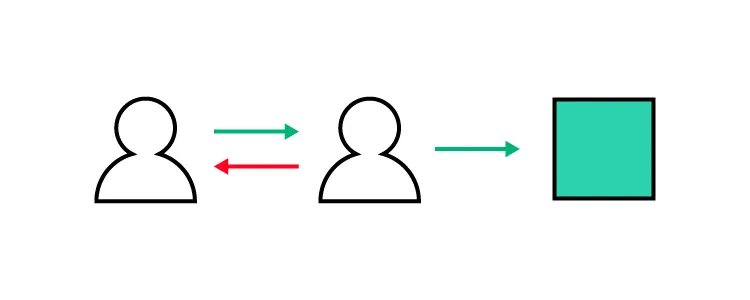
UXPin Merge enhances designer/developer collaboration by bridging the gap between design and front-end development with a single source of truth for your product’s design system.
By bridging this gap, UXPin Merge facilitates better communication and collaboration because everyone “speaks the same language” and works within the same limitations and constraints defined by the design system and the product’s code.
Streamline your product development process and enhance team collaboration with a single source of truth from UXPin Merge. Visit our Merge page for more details and how to request access.
Use a single source of truth for design and development. Discover Merge
